
Why bought affiliate lists let you down

A bought list of affiliates looks like a shortcut. It rarely is one. The people on it have never heard of your shop, the same list is sold to other shops too, and your message arrives as one more email from a stranger. An affiliate network is a different thing, and it can suit a bigger shop. For most small shops, your own program and an hour of looking by hand do better.
Here is what each of these is, where a list goes wrong, and what to do instead.
Affiliate network, marketplace or bought list: what each one is
The three get mixed up, so here they are side by side:
- An affiliate network stands between shops and affiliates. Many shops list their programs there, affiliates pick the ones they want, and the network counts the sales and passes on the pay. Most networks charge the shop for this.
- An affiliate marketplace is a directory. Shops post an offer, affiliates look through the offers, and either side can get in touch.
- A bought list comes from a site that sells names and contact details of people who might promote things. Some call themselves affiliate finders. What you do with the names is up to you.
The first two bring you people who chose to be there. The third gives you strangers who did not ask to hear from you.
In Udeely: Udeely is none of the three. It is the app you run your own program in, inside your Shopify store. It has no list of affiliates to pick from. You bring the people, and Udeely gives each one a link, counts their sales and works out what you owe.
Why a bought list lets you down

The trouble is not one bad seller. It is how a list works.
1. The same list goes to many shops
A list that is for sale is sold more than once. So the people on it hear from one shop after another, often in nearly the same words. Yours is one more message in a full inbox.
In Udeely: type one person's name and email, and Udeely makes their link and sends them a welcome email. It goes to someone you chose, not to a list.
2. Nobody on it knows your product
A good affiliate recommends something they have used, to people who trust them. A stranger from a list has not tried your product and has no reason to care about it. If they do post, it sounds like an advert, and their followers can tell.
In Udeely: Refer a friend is on every plan. After they buy, each customer gets a code to share with friends. Your top referrers are listed, and you can invite any of them to become a paid affiliate. These people already like what you sell.
3. Your message arrives cold
These people did not ask to hear from you. Many will not open the email. Some will mark it as spam, and enough of those can send your later emails to the spam folder too, the ones to your customers included.
In Udeely: your shop has its own join page. Put the link where people who already like you will see it: in your profile, in your emails, or on a card in your parcels. Everyone who signs up there chose to.
4. You can't see who is real
A list gives you a name, a number of followers and an email. It does not tell you whether the followers are real, whether they shop for things like yours, or whether the account still posts. Lists get old, and you pay for the old names too.
In Udeely: you can say yes to each sign-up yourself, and suspicious sign-ups are flagged on every plan. On Growth, each affiliate's page shows where their clicks come from and which ones buy.
When an affiliate network makes sense
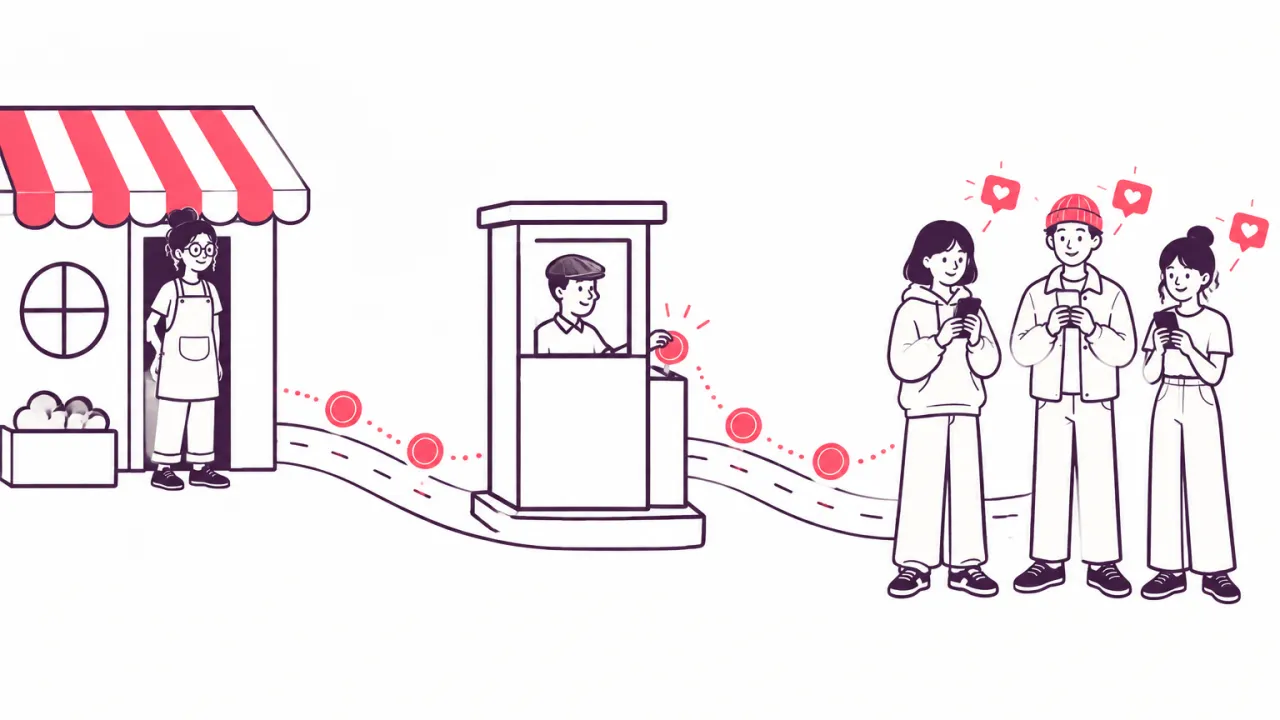
A network is not a bought list, and for some shops it is the right tool. It fits best when:
- You sell a wide range and have a budget for fees on top of commission.
- You want to reach large coupon, cashback and comparison sites. Many of them work through networks.
- You would rather pay someone than look for people yourself.
Know two things before you sign. First, most networks charge the shop: a fee to join, a monthly fee, a cut on top of each commission, or a mix of these. Second, the affiliates are the network's members, not yours. If you leave, you may not be able to take them with you.
So ask for the prices, and for the rules on leaving, in writing.
In Udeely: the price is flat. It is free for up to 30 affiliates and $19.99 a month on Growth, with no share of your sales. The affiliates are yours: you can download the whole list, with names and emails, on every plan.
What to do instead: one hour by hand
Before you pay for a list, give one hour to looking by hand. Look in three places, in this order:
- Your own customers. Start with people who have ordered more than once or left a review.
- People who already tag you. Search for your shop's name, and thank the people you find.
- Small accounts in your niche. They talk to your kind of shopper every week.
Then write to ten of them yourself, one at a time. Say why you picked them, what they earn on each sale, and that joining is free. The full method is in how to find good affiliates for your shop.
In Udeely: on Growth, the Who to recruit page lists the countries where people click affiliate links and no sale follows, with a ready-made invite to copy.
Once you have a few good affiliates, ask them who else you should invite. A good affiliate knows other people like themselves. That is a better list than any you can buy.
In Udeely: on Growth, an affiliate who brings in another affiliate earns a bonus on that person's sales. Read how it works in let your affiliates find your next affiliates.
If you still want to try a list
You may decide to try one anyway. Then keep the risk small:
- Ask the seller where the names came from, and whether those people agreed to be contacted.
- Look at each account yourself before you write. Skip the ones that have gone quiet.
- Write to ten people by hand first. If nobody answers, a thousand more names will not help.
- Send them to your join page, and say yes to each sign-up yourself.
A few people sign up only to use a gap in your rules. We list what to look for in affiliate fraud: five things to watch out for.
In Udeely: you can limit sign-ups by country. Commission waits through a hold time, 30 days unless you change it, so you see a new affiliate's first sales before you pay for them.
Run your whole affiliate program in one app
Udeely runs your whole affiliate program in one app. You recruit affiliates, track sales by link or code, and pay commissions by payout list or store credit. You see where each affiliate's audience comes from. Affiliates get their own dashboard with live earnings, and can bring in more affiliates.
Udeely is free for up to 30 affiliates. Growth, with every tool, is $19.99 a month. Find Udeely on the Shopify App Store.
Frequently asked questions
What is an affiliate network?
An affiliate network stands between shops and affiliates. Shops list their programs, affiliates pick the ones they want, and the network counts the sales and passes on the pay. Most networks charge the shop for this.
Should I join an affiliate network or run my own program?
A network suits a shop with a wide range and a budget for fees, which wants to reach large coupon and cashback sites. Your own program suits a small shop: it costs less, and the affiliates are yours.
What is an affiliate marketplace?
An affiliate marketplace is a directory where shops post an offer and affiliates look through the offers. The people there are looking for programs, but they don't know your product yet.
Do bought affiliate lists work?
Rarely, for a small shop. The people on the list don't know your product, they hear from many shops, and your email arrives cold. Your customers and the people who already tag you are a better start.
How do I find affiliates without a network?
Look by hand: your own customers first, then people who already tag you, then small accounts in your niche. Write to each person yourself, and send them to your join page.
Ready to start your program?
Udeely is free to start — install it and approve your first affiliate today.
Get started with Udeely