
Affiliate fraud: five things to watch out for when you start
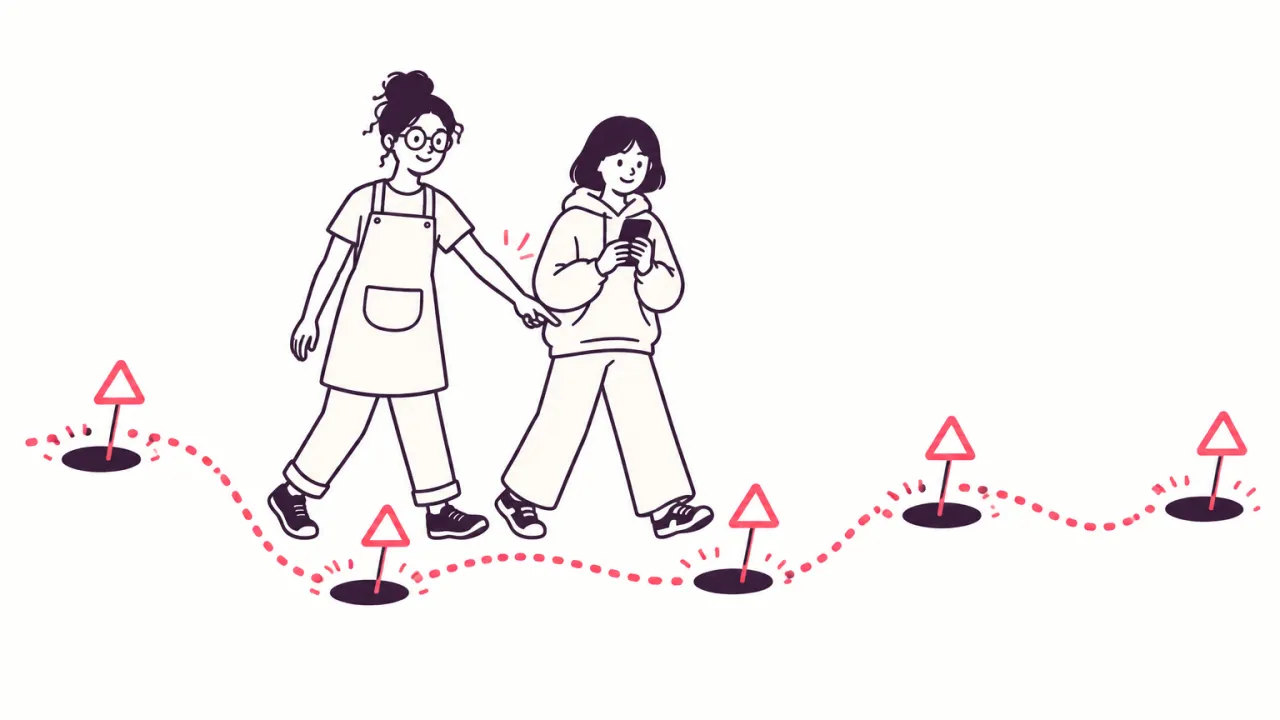
Affiliate fraud is when someone is paid commission for a sale they did not really bring. Most affiliates are honest, and most problems are small. But a few holes cost shops money again and again, and each one is easy to close before you start.
Here are the five to watch for, how to spot each one, and what to do about it.
What is affiliate fraud?
You pay an affiliate for sending you a buyer. Fraud is any trick that collects that pay without sending the buyer. Sometimes it is planned. Often it is just someone using a gap in your rules.
Coupon fraud is the most common kind. A discount code ends up somewhere it was never meant to be, and it takes the credit for sales that were coming anyway.
None of this is a reason to stay away from affiliates. It is a reason to set a few rules first. If you are still deciding, read what affiliates can do for your shop.
Five things to watch out for
1. Coupon sites taking the credit
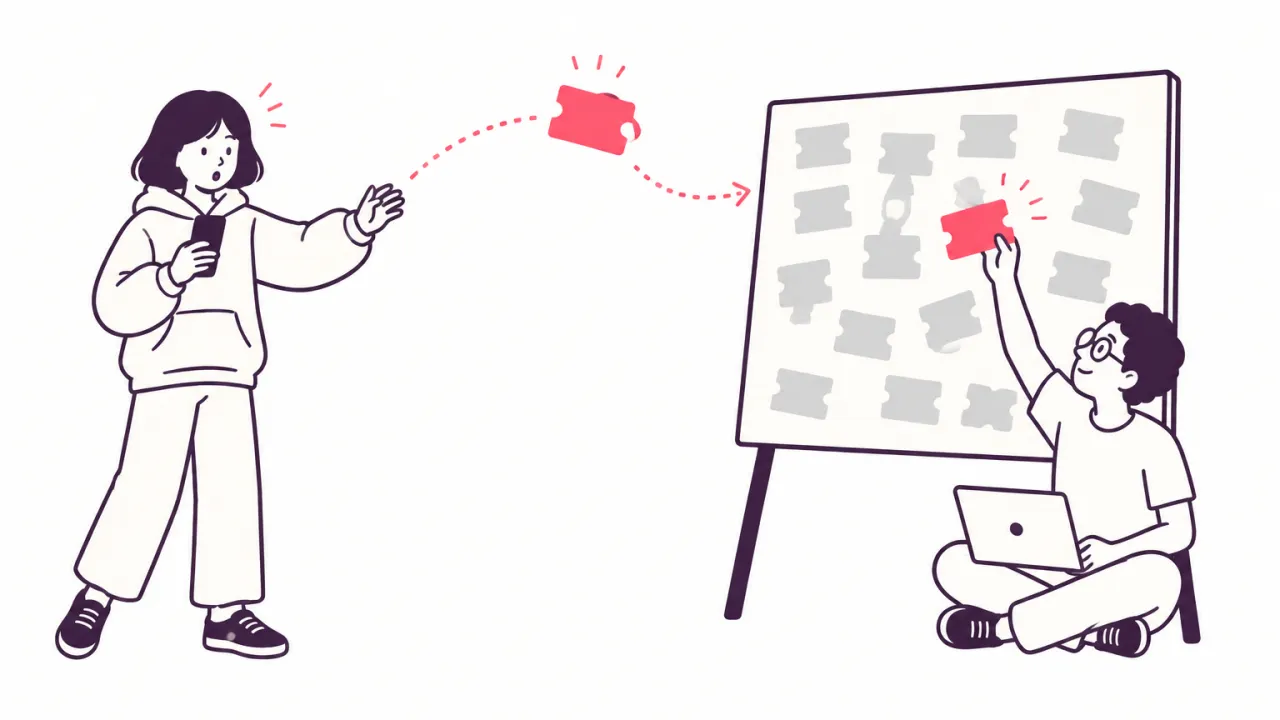
An affiliate's code gets posted on a coupon site. A shopper who was already at your checkout looks for a code, finds it, and types it in. Now you give a discount and pay a commission on a sale that nobody sent you.
Some browser tools do the same thing by themselves. They try codes at checkout, and the last code in wins.
The fix is to let the link decide who brought the shopper, not the code typed at the end.
In Udeely: when a shopper comes through an affiliate's link, a code entered at checkout can't take the sale away from that affiliate. You can also limit each code to one use per customer. We explain how it works in how coupon tools take affiliate commissions.
2. Affiliates buying through their own link
An affiliate clicks their own link, buys for themselves, and earns commission on it. Your commission has turned into a private discount.
Some shops are happy with that. Most are not. Either way, decide, and say it in your terms.
In Udeely: an order placed with the affiliate's own email is not credited to them. On Growth, you can also set Udeely to block affiliates who click their own links.
3. Paying for orders that are later refunded
You pay commission on Monday. The order is sent back on Friday. The money has gone, and asking for it back is awkward.
So don't pay on the day of the sale. Wait until the time for returns has passed, then pay.
In Udeely: each commission waits in a review window before it can be paid. If the order is refunded, the commission is taken back.
4. Affiliates running ads on your shop's name
An affiliate pays for a search ad that shows when people type your shop's name. Those people were already looking for you. They click the ad, land on your shop through the affiliate's link, and you pay commission on your own customer.
Say in your terms where affiliates may advertise, and whether they may use your shop's name in an ad.
In Udeely: every affiliate must accept your program terms before they can join. On Growth, each affiliate's page shows where their clicks come from, and which ones buy.
5. Fake sign-ups and odd clicks
One person signs up many times under different names. Or a link gets thousands of clicks in an hour and not one sale. Neither is a real audience.
The simplest guard is to look at each person before you let them in. When your program is small, that takes a minute. It is one reason to start with your own customers: you already know who they are.
In Udeely: you can approve each affiliate by hand. Suspicious sign-ups and clicks are flagged on every plan. On Growth, you can set Udeely to block fake sign-ups, and it holds a payout with odd traffic until you have checked it.
Write your terms down

Most arguments with affiliates are not about fraud. They are about a rule nobody wrote down. Five lines are enough to start:
- What you pay, and on what: for example, a share of the order before shipping and tax.
- Whether affiliates may buy through their own link.
- When you pay: after the time for returns has passed.
- Where they may advertise, and whether they may use your shop's name in ads.
- What ends the deal: for example, posting codes on coupon sites.
In Udeely: you paste your terms into the app. They show on your join page, and nobody can sign up without agreeing to them.
How to spot a problem early
You don't need special tools to detect affiliate fraud. You need to look at each affiliate now and then, and notice what doesn't fit:
- Many sales by code, and almost no clicks on the link.
- Orders in the affiliate's own name, or to their own address.
- A lot of clicks, and no sales at all.
- Sales that are mostly refunded.
- A sudden jump in sales, and no post anywhere that explains it.
When something looks odd, ask before you accuse. There is often a plain reason, such as a post that did very well. If there isn't, hold the payout, and end the deal if you have to.
In Udeely: the Affiliates list marks an affiliate when a large share of their sales came by code and not by a link click, or were later refunded. You can reject a single sale, and suspend an affiliate with a note saying why.
Run your whole affiliate program in one app
Udeely runs your whole affiliate program in one app. You recruit affiliates, track sales by link or code, and pay commissions by payout list or store credit. You see where each affiliate's audience comes from. Affiliates get their own dashboard with live earnings, and can bring in more affiliates.
Udeely is free for up to 30 affiliates. Growth, with every tool, is $19.99 a month. Find Udeely on the Shopify App Store.
Frequently asked questions
What is affiliate fraud?
Affiliate fraud is when someone is paid commission for a sale they did not really bring. Common kinds are leaked coupon codes, buying through your own link, fake sign-ups and fake clicks.
What is coupon fraud?
Coupon fraud is when a discount code is used in a way the shop never meant. For example, an affiliate's code is posted on a coupon site, and shoppers who were already buying use it. The shop gives a discount and pays a commission for nothing.
How do I detect affiliate fraud?
Look at each affiliate's sales now and then. Watch for many code sales with no link clicks, orders in the affiliate's own name, many clicks with no sales, and sales that are mostly refunded. Ask the affiliate before you decide.
Can affiliates use their own link to buy?
That is for you to decide. Most shops don't allow it, because it turns commission into a discount for one person. Write your rule in your program terms.
How long should I wait before I pay commission?
Wait until the time for returns has passed. If your shop takes returns for 30 days, pay after 30 days. Then a refund can take the commission back before the money has left you.
Ready to start your program?
Udeely is free to start — install it and approve your first affiliate today.
Get started with Udeely