
Is affiliate marketing dead? No, but it has changed

No. Affiliate marketing is not dead. In the United States, spending on it grew from $9.1 billion in 2021 to $13.6 billion in 2024, says the Performance Marketing Association.
So why do so many people say it is over? Because four things did change. They hurt one kind of affiliate badly. They hardly touch a shop that runs its own program.
If you are new to all this, start with what affiliates can do for your shop.
Why people say affiliate marketing is dead
1. Google sends them fewer visitors
Many affiliates lived on Google. They wrote "best of" lists and coupon pages, and Google sent them readers for free.
In May 2024 Google began enforcing a rule against pages that sit on a big site only to borrow its good name. Coupon sections on well-known news sites dropped out of its results. Google now also shows its own AI answer above the results for many searches, so fewer people click through to any site.
2. Big programs cut what they pay
In April 2020 Amazon cut the rates it pays affiliates. Furniture and home improvement went from 8% to 3%. Affiliates who relied on that one program saw their pay drop from one day to the next.
3. Browsers block more tracking
Older affiliate tools follow a shopper with a cookie that belongs to another company. Browsers such as Safari now block many of those cookies. When the cookie is lost, the affiliate is not paid for the sale.
4. Coupon extensions take the credit
Some browser add-ons drop their own code in at checkout. The sale then goes to them, and the affiliate who earned it gets nothing. We wrote about how coupon extensions take affiliate commissions, and how to stop it.
What these four things have in common
Each one hurts an affiliate who depends on somebody else: on Google for visitors, on one big program for pay, or on another company's tracking for credit.
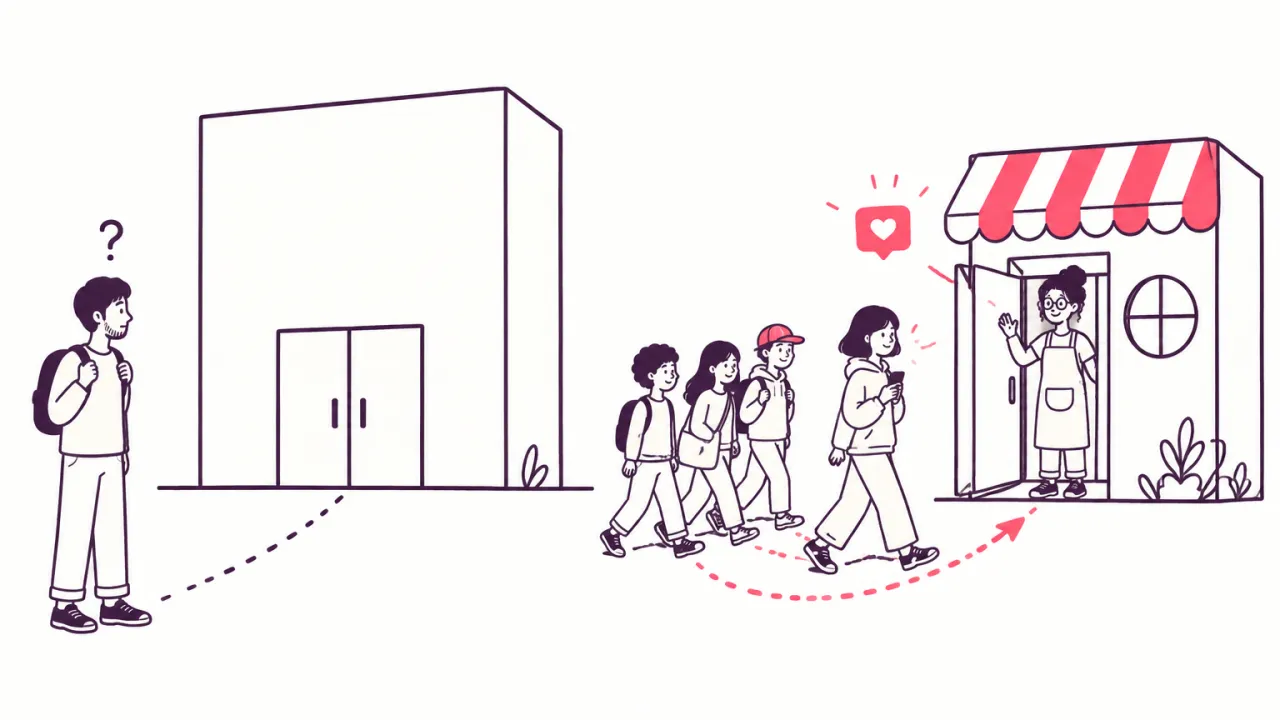
None of them is about a shop that runs its own program with people who have their own followers. A creator's followers don't come from Google. You set the commission, not a big program. And the tracking runs in your own shop.
That part of affiliate marketing is doing well.
What still works for a shop
People with their own followers
A person with 3,000 followers who trust them doesn't need Google. They post, their followers click, and some of them buy. No rule change at a search engine can take that away.
In Udeely: each affiliate gets their own link as soon as you approve them, and their own dashboard with their visits, sales and earnings.
A link and a code together
A link can get lost. A shopper sees a video on their phone and buys two days later on a laptop. If the affiliate also has a code, the sale still finds its way back to them.
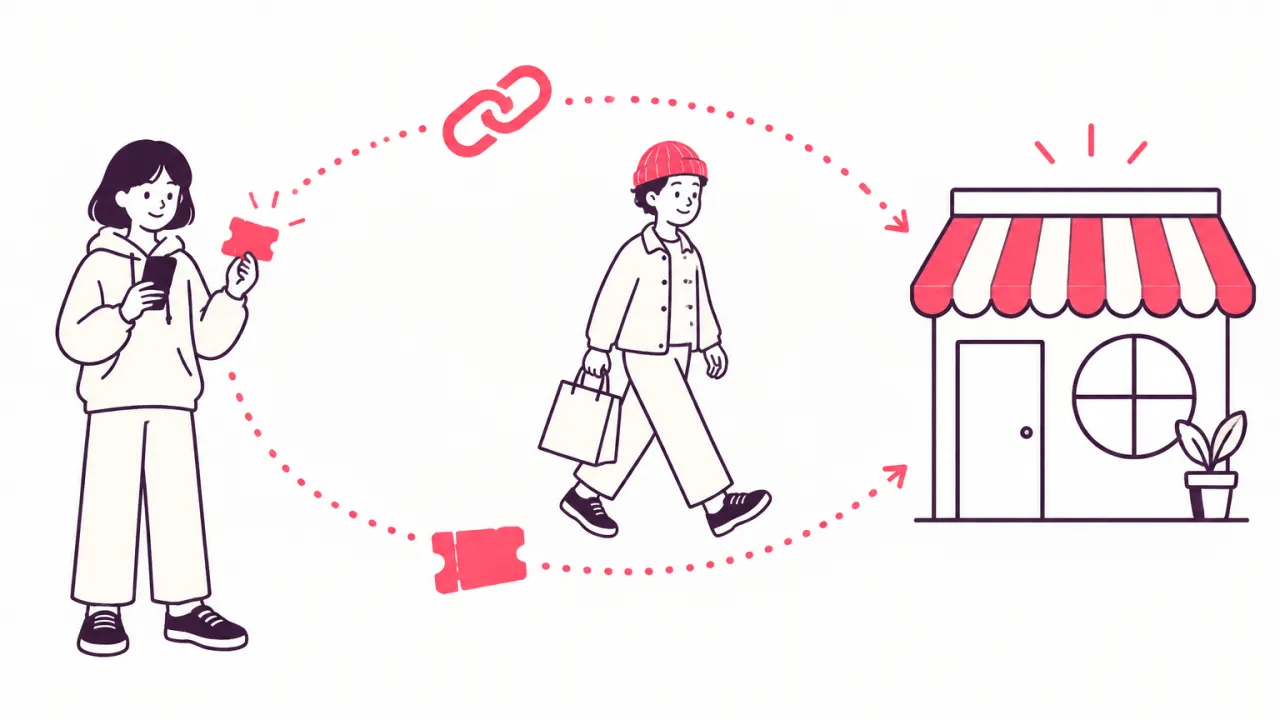
In Udeely: sales are tracked by link and by code, and Buy it now and Shop Pay orders are counted too. If a coupon extension adds its own code at checkout, the affiliate whose link brought the shopper still gets the credit.
Fair pay that arrives on time
The Amazon cut taught affiliates not to trust a program that changes the deal. A small shop can win here. Pick a fair commission, keep it, and pay when you said you would.
In Udeely: you set the commission and each sale is worked out for you. A refunded order takes its commission back. A payout list shows who is owed what, so you can pay on the day you promised.
Posts that become ads
When an affiliate's post sells well, you can pay to show that same post to many more people, as your ad. On TikTok, the affiliate gives you a code for the video and you run it from your own ad account. You are not guessing which ad will work, because the post has already sold.
In Udeely: this is called Sponsor a post, on the Growth plan. You ask, the affiliate sends the code, and sales from the ad are counted apart from their usual sales, at the commission you set for that ad.
Is affiliate marketing still worth it for a small shop?
Yes, if three things are true:
- Your product is something people like to show or talk about.
- Your prices leave room to give away a share of each sale.
- You will answer your affiliates and pay them on time.
Be ready for the slow part. Most people who sign up stay quiet, and a few do well. That is normal, and it is not a sign that affiliate marketing is dead.
Finding out costs little. You pay a commission only when a sale comes in.
Run your whole affiliate program in one app
Udeely runs your whole affiliate program in one app. You recruit affiliates, track sales by link or code, and pay commissions by payout list or store credit. You see where each affiliate's audience comes from. Affiliates get their own dashboard with live earnings, and can bring in more affiliates.
Udeely is free for up to 30 affiliates. Growth, with every tool, is $19.99 a month. Find Udeely on the Shopify App Store.
Frequently asked questions
Is affiliate marketing dead in 2026?
No. The latest figures from the Performance Marketing Association show spending on affiliate marketing in the United States growing from $9.1 billion in 2021 to $13.6 billion in 2024. What got harder is earning from Google visitors and coupon pages. A shop that works with people who have their own followers is not hit in the same way.
Is affiliate marketing still worth it?
For a shop, yes, when the product is easy to show, the prices leave room for a commission, and affiliates are paid on time. You pay only after a sale, so there is little to lose by trying.
Is affiliate marketing legit?
Yes. It is a normal, legal way for a shop to pay people for the sales they bring. An affiliate earns only when a real shopper buys. Be careful with anything that asks you to pay to join. A shop's own affiliate program costs the affiliate nothing.
Is affiliate marketing saturated?
Parts of it are. Review sites and coupon pages that live on Google visitors are crowded. For a shop it is different. You are not competing with affiliates, you are inviting them. The limit is how many good people you can find for your own program.
What is the future of affiliate marketing?
Our view: less of it will depend on Google, and more will run through creators and through shops' own programs. Tracking by code as well as by link matters more as browsers block cookies. And more shops will pay to show an affiliate's best post as an ad.
How much does it cost to start an affiliate program?
Very little. You pay a commission only when an affiliate sends you a sale. The other cost is the app. Udeely is free for up to 30 affiliates, and Growth, with every tool, is $19.99 a month.
Ready to start your program?
Udeely is free to start — install it and approve your first affiliate today.
Get started with Udeely